Photo by Stefanie Poepken on Unsplash
Lucky Fit
A mobile app
for horse saddle fitters
The start-up that wasn’t so lucky.
The Overview
The UX Team
UX Designer: Kristin White (Central Arizona)
UX Designer: Rachel Kelty (Northern California)
Contract: June - December 2020
~Project on hold indefinitely ~ Funding fell through ~
The Challenge
I had no idea that horses needed to be fitted for a saddle. I assumed that we just grabbed a saddle, put it on a horse, and went for a ride. I had a lot to learn.
Emily, a professional saddle fitter, was interested in building an app that would help her location based scheduling and potentially collect and track clients’ payments.
Emily had clients all over Northern California and the Tahoe, Nevada region. It was a challenge for her to meet more than one client in the same area, on the same day, to make it worth her commute.
Methods
Competitors’ Analysis
User Research Interviews
Affinity Mapping
Persona
Wireframe Sketchings
Grayscale Wireframes
The Process
Competitor Research
Does an app for a saddle fitter already exist? We found one saddlery app, but it didn’t address the needs of our stakeholder. We may be the trend setters!
What we learned:
There were many mobile apps for ferriers and barn management, but only one specifically for saddle fitters.
There is some very specific information that the app will need to gather from the clients.
Having the capability to record information for an individual horse is important.
Interviewing “Horse People”
“Who are you, and how did you get my number?” 😳
That was the initial response I received from many of the riders I contacted for interviews. Horse people are a tight-knit community. The interviews took much longer than any I’ve experienced before. Yet, once we became comfortable with each other, they began to open up and I was even able to go “off script.”
What we learned:
Riders need to see a saddle fitter every time they change events/competitions or the horse physically changes.
Access to and making appointments with a fitter is very difficult.
Feeling rushed or not knowing that the fitter is running behind are common challenges.
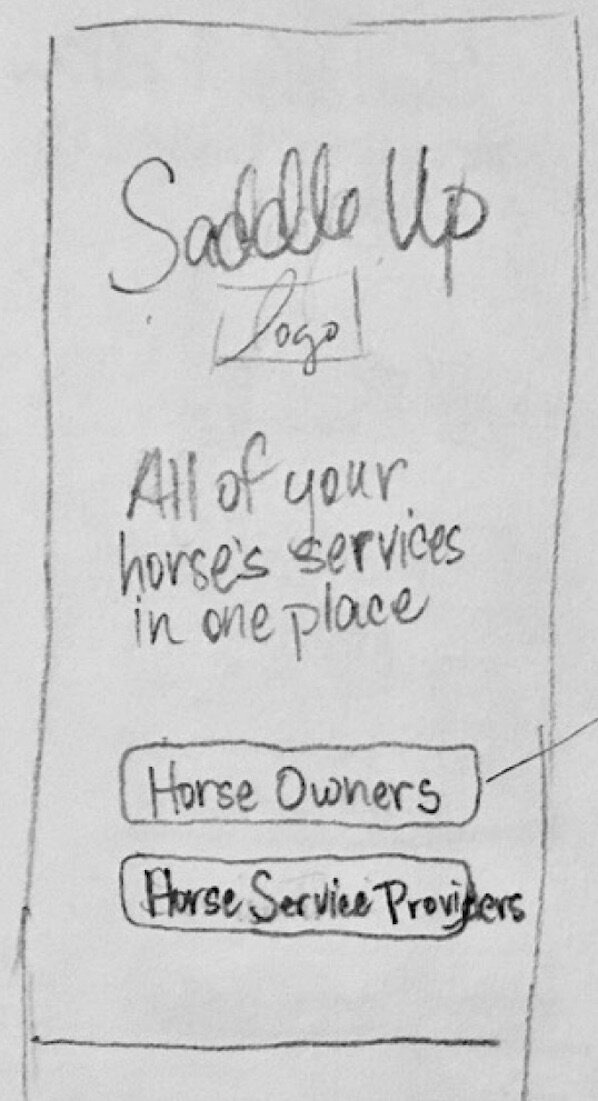
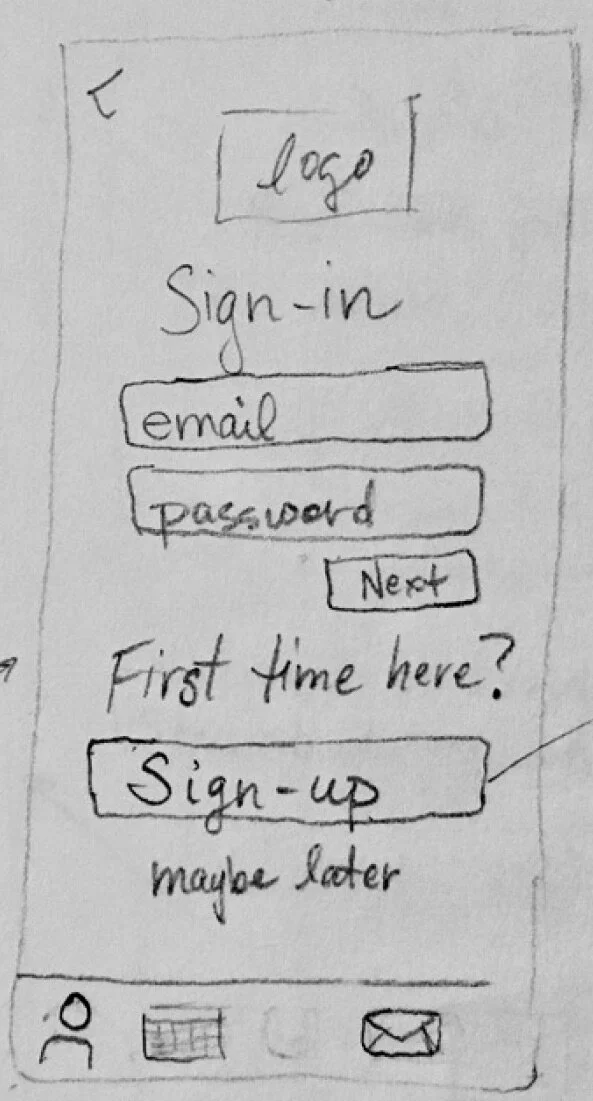
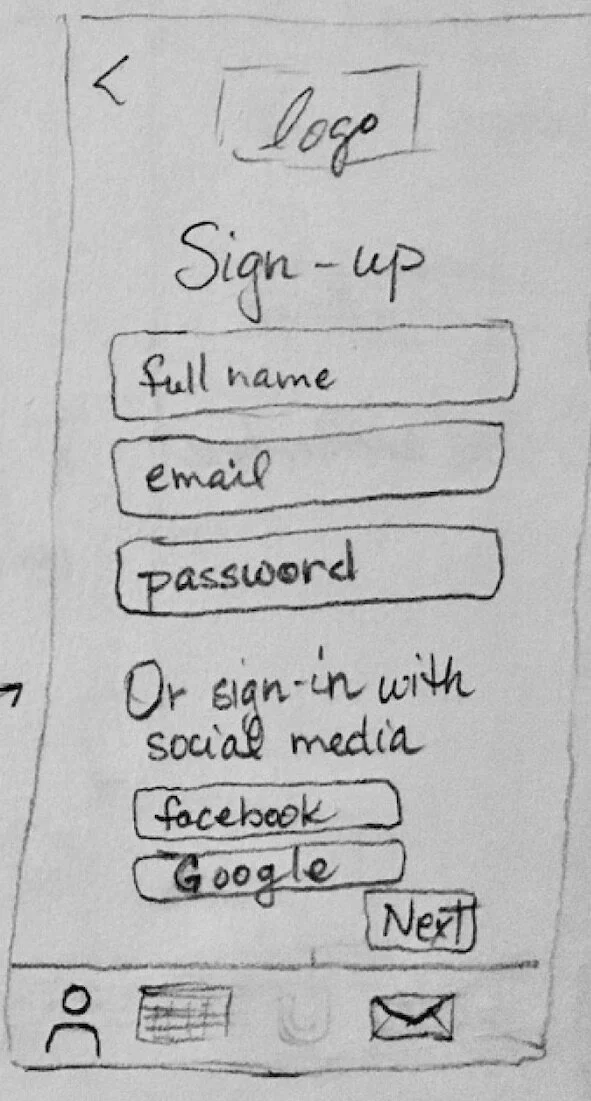
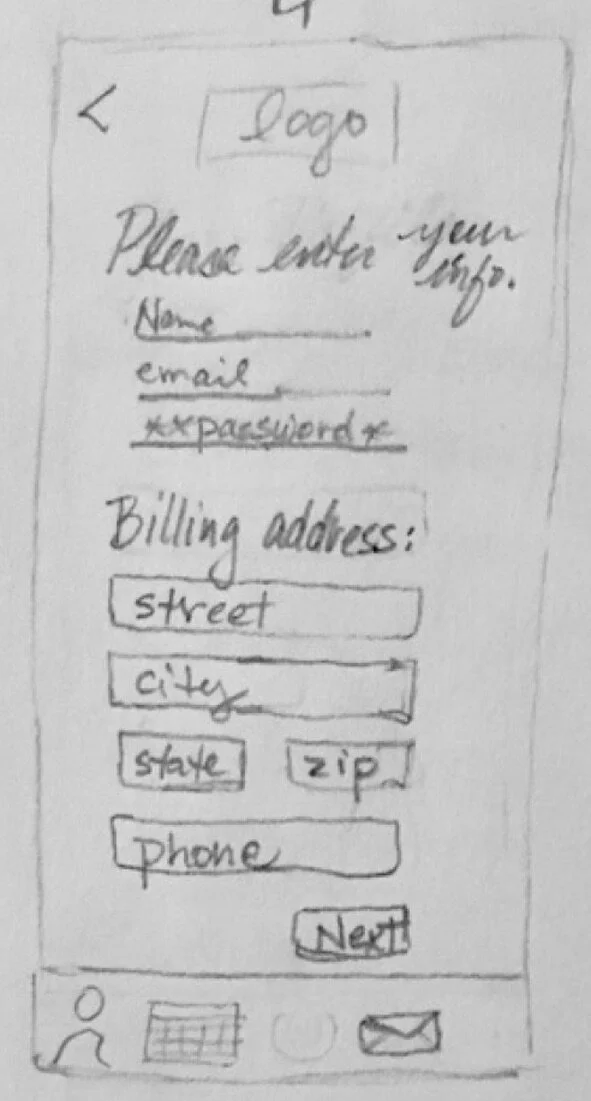
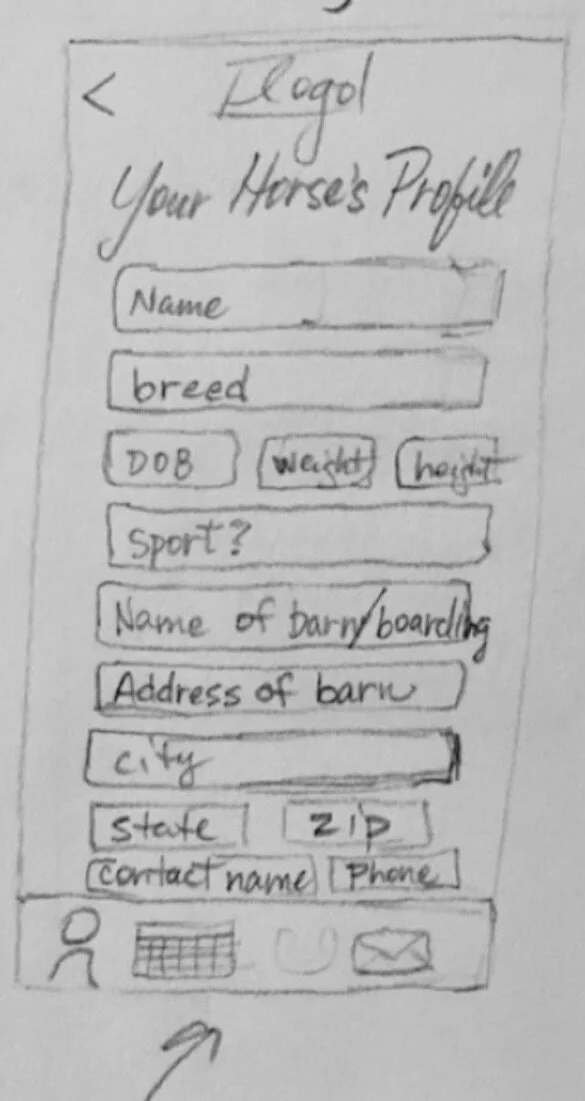
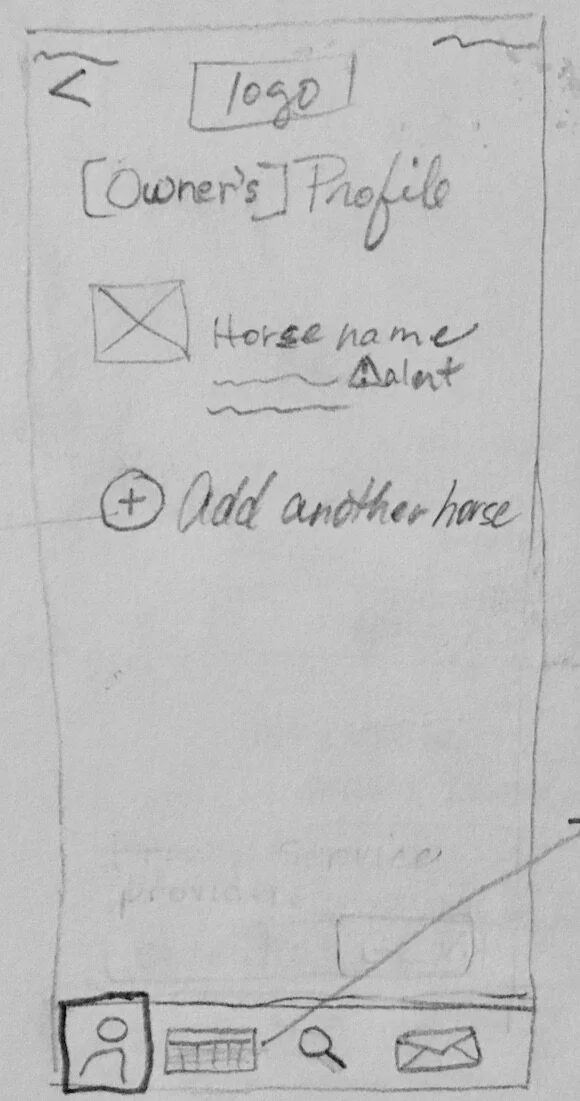
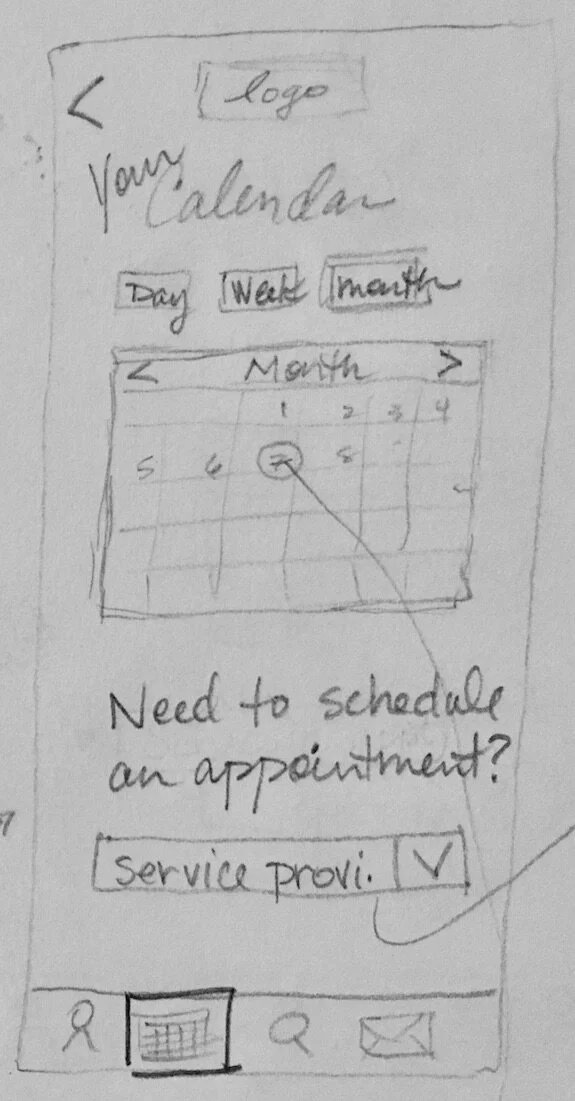
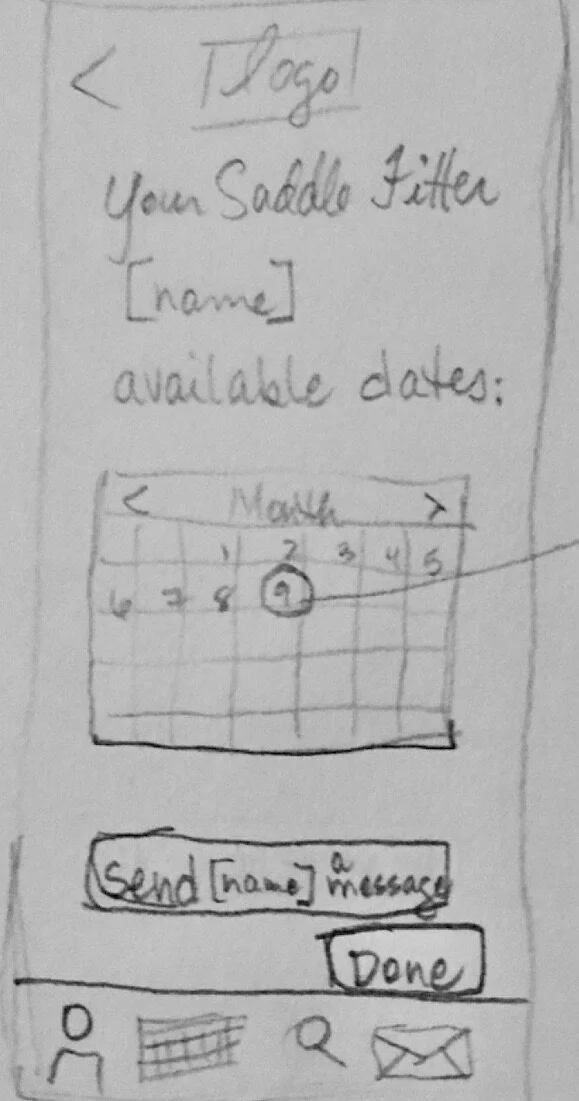
Processing What Was Learned
With the data from the research interviews, and ideas we sketched on some initial wireframes, we virtually collaborated on an affinity map. It was clarifying to sort out the irrelevant information
Major “pain points” came forward as we moved through this process.
To be able to make an appointment within a reasonable amount of time.
Knowing what time the fitter will show up (and receive notifications if they will be late).
Tracking changes in horse measurements or behavior relevant to the saddle.
Must-Should-Could-Won’t
We then put the ideas into a “MoSCoW” chart for the MVP. This little chart helps focus and retain the scope of the project. We didn’t have the opportunity at the time, but it’s best to involve the stakeholders in this process. That way everyone will have the same goals.
The following items were taken into consideration:
Industry standards identified in our competitive analysis.
Desired components identified by the stakeholder.
Needs and goals of the stakeholder’s clients.
Constraints of the project (time, technology, and budget).
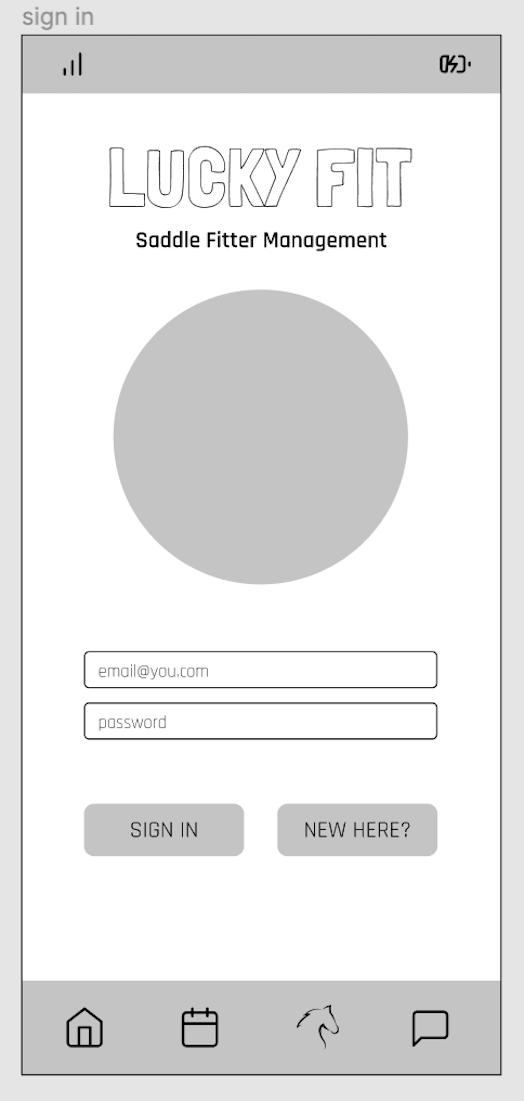
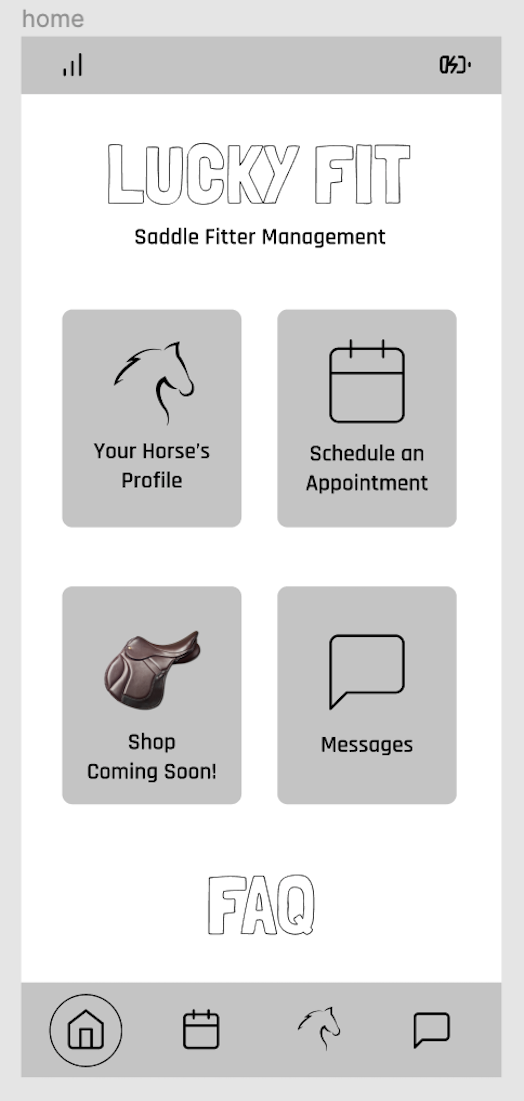
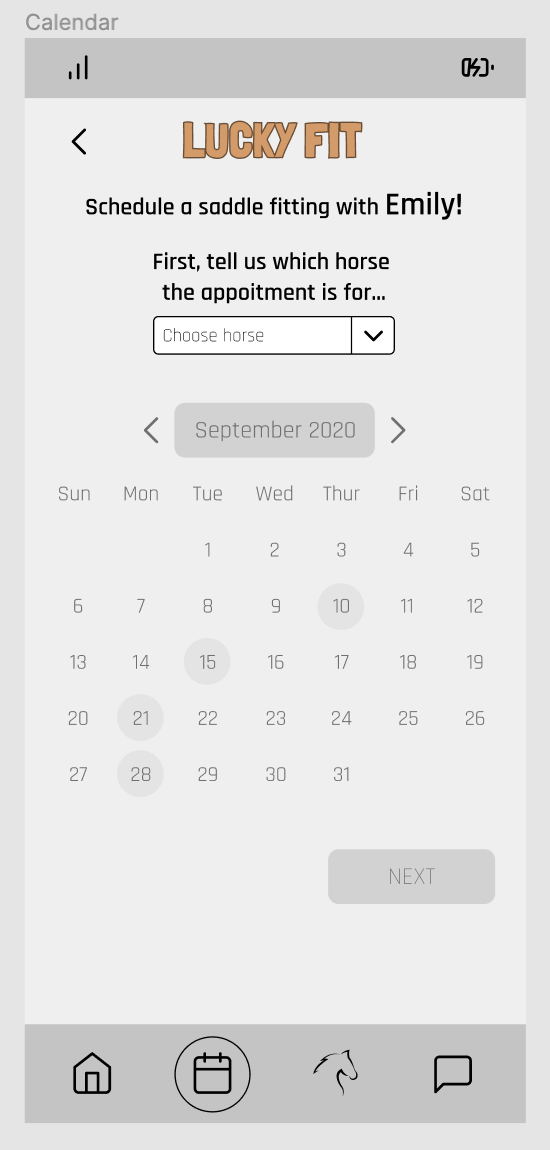
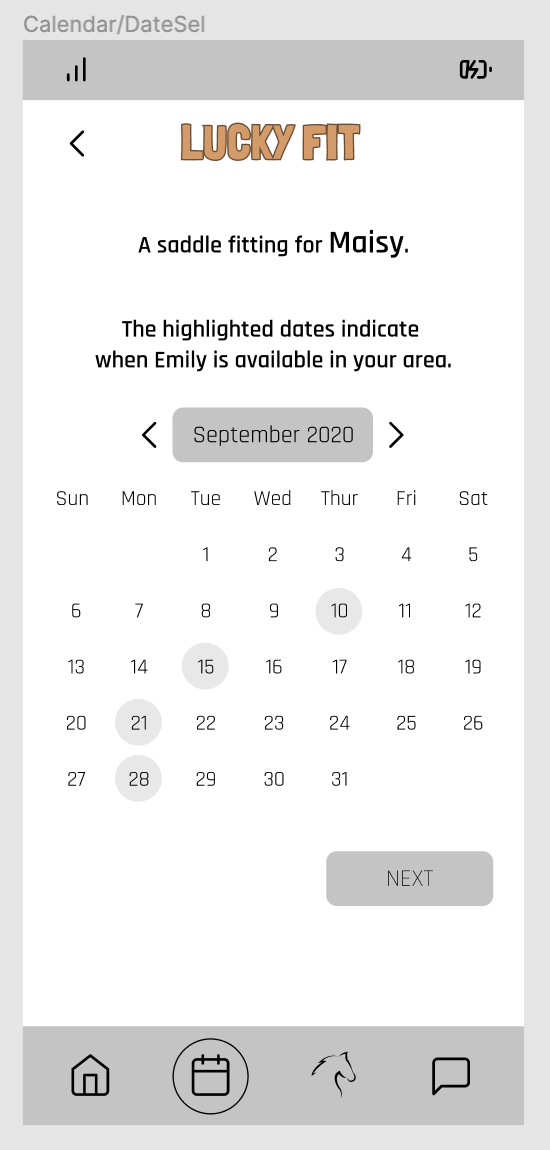
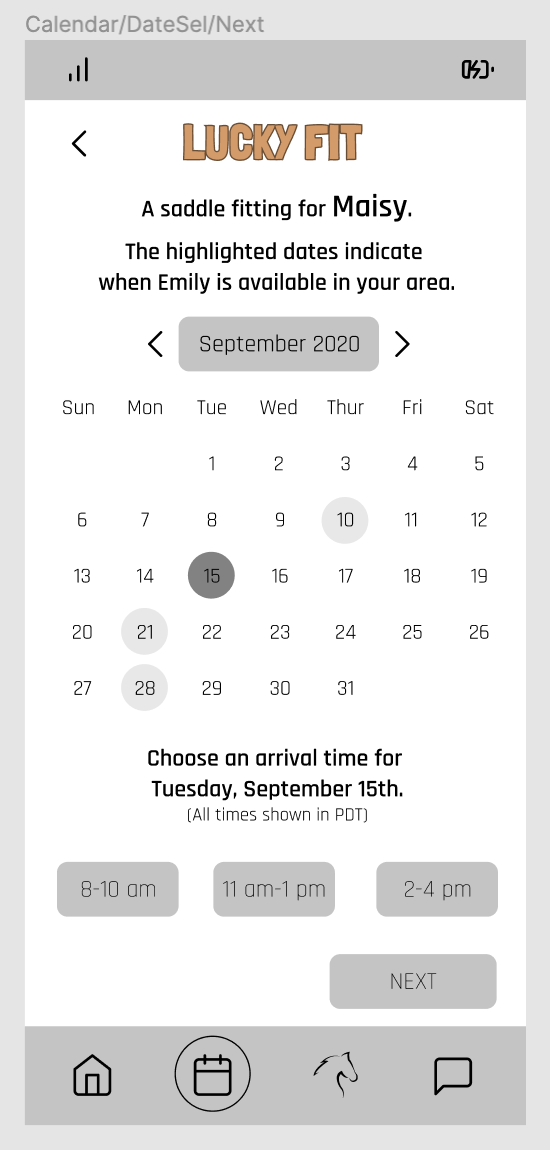
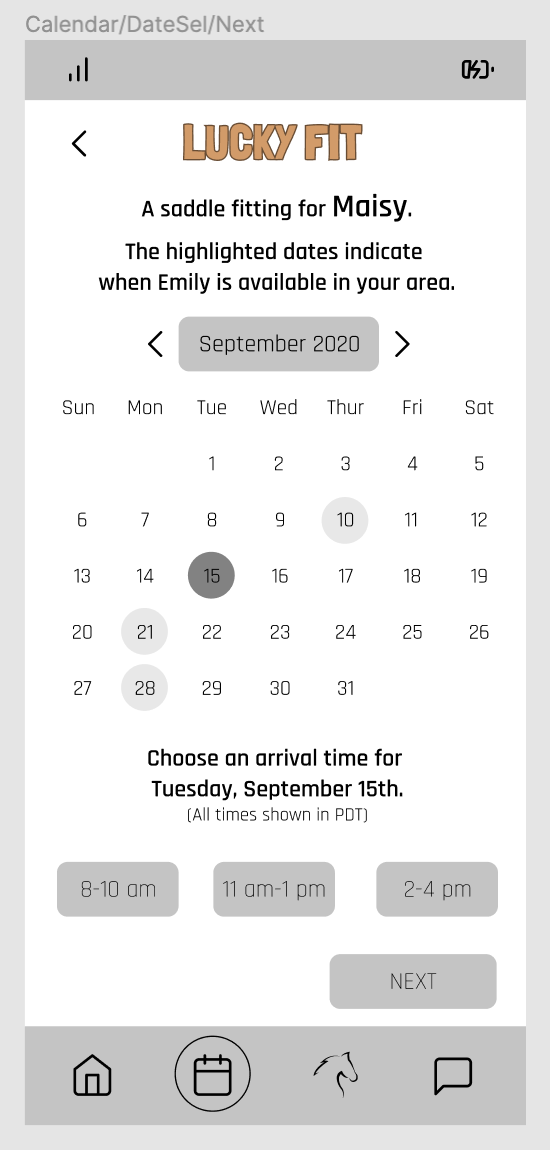
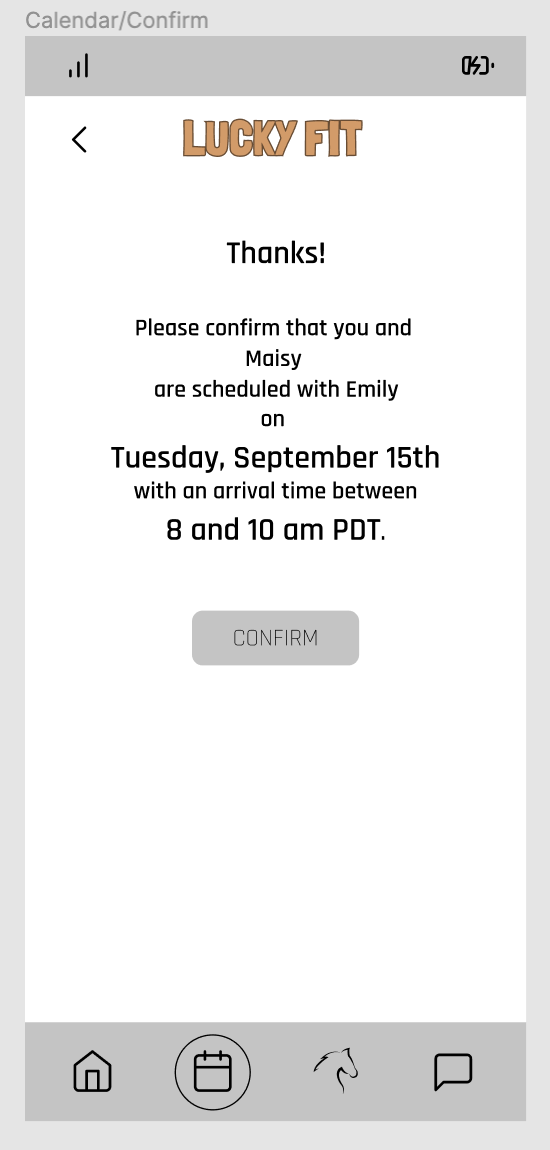
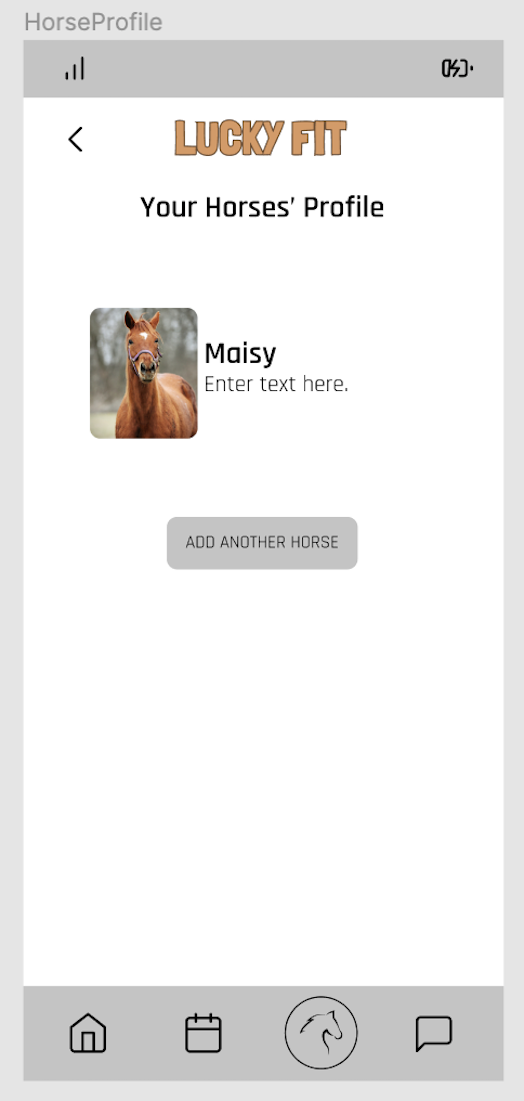
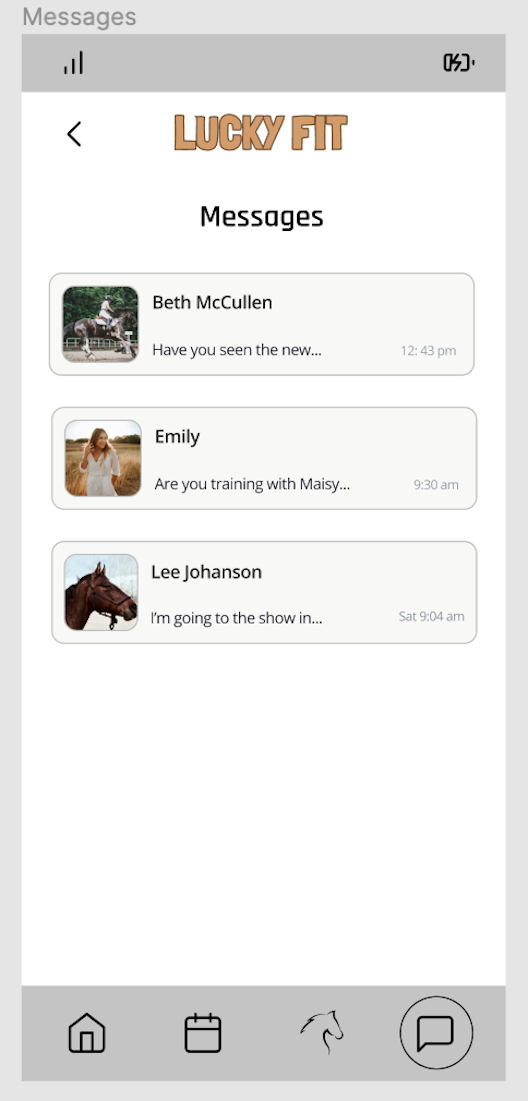
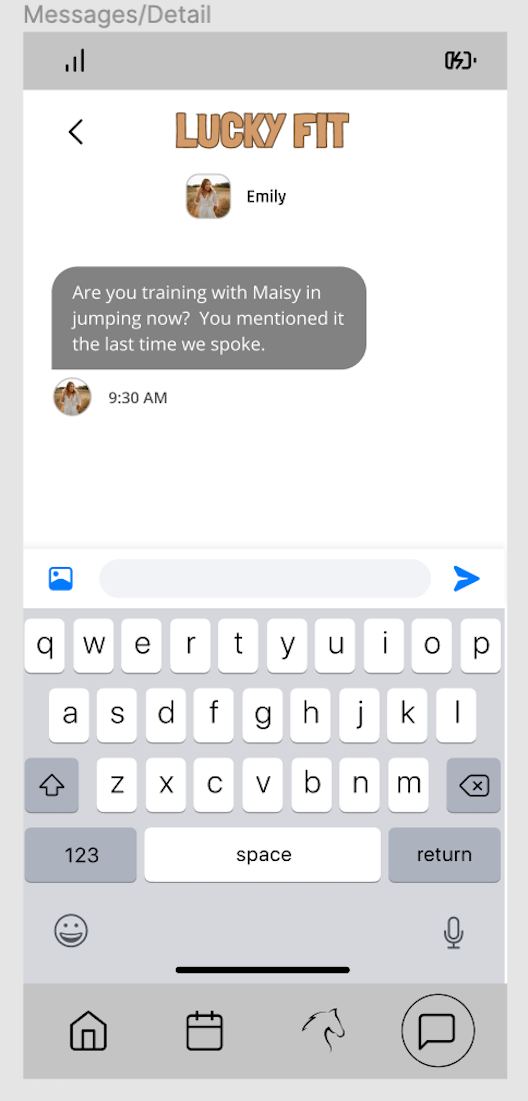
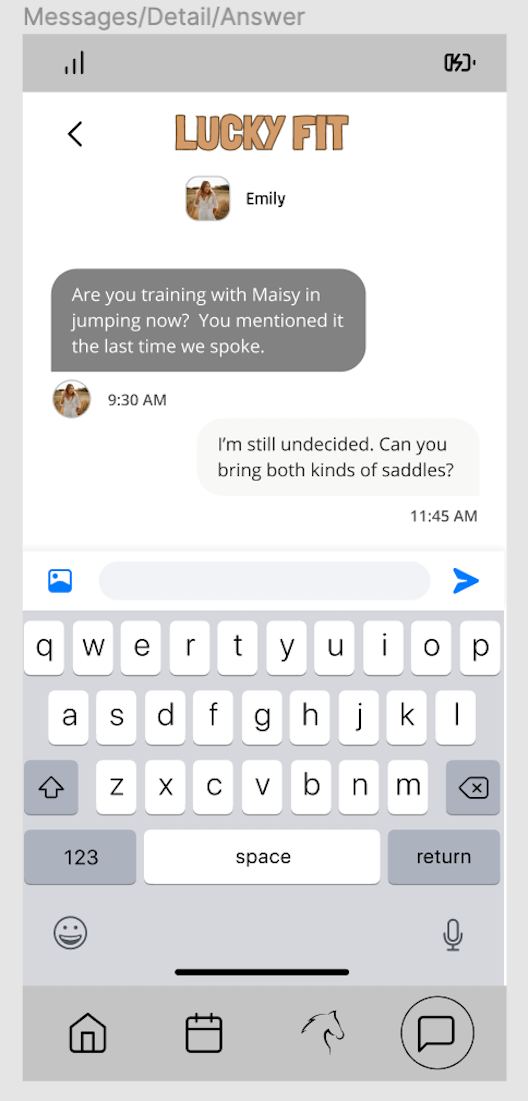
This is where the story ends…
Unfortunately, this project didn’t move past the (unfinished) grayscale wireframes stage. The funding fell through and all work was put on hold until further notice.
Throughout this project I was able to practice the skill of focusing on the MVP and keeping the scope under control. We don’t have to fit everything into the first iteration. I now know so much more about horse saddles than I could have ever imagined (and I’m sure I’ve only scratched the surface). I hope that the founders of Lucky Fit can find an alternate source of funding one day, and I hope I am available to be a part of the team again.